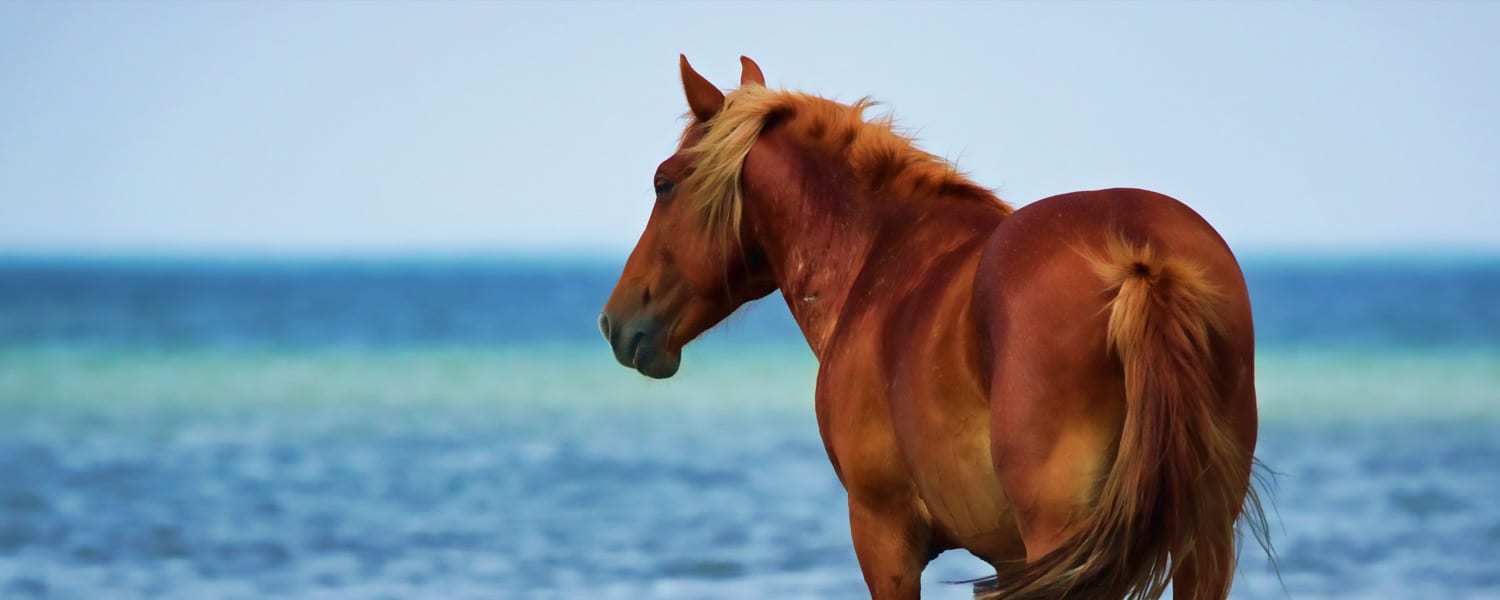
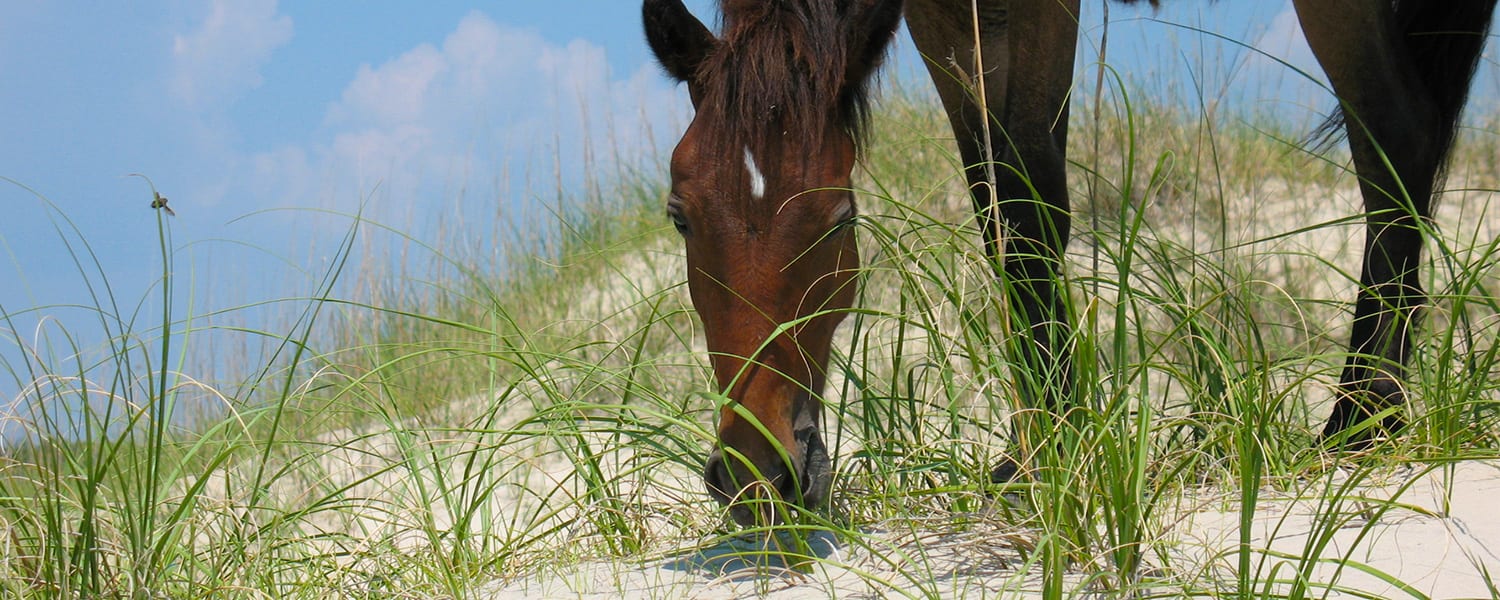
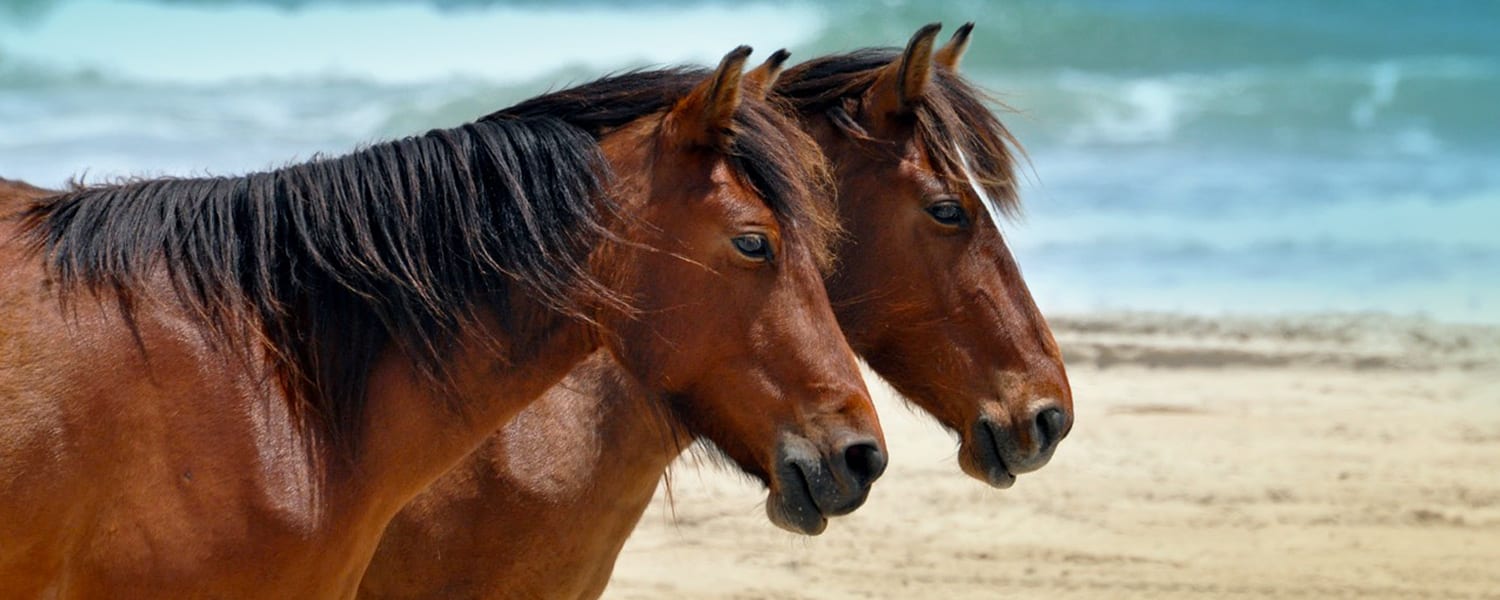
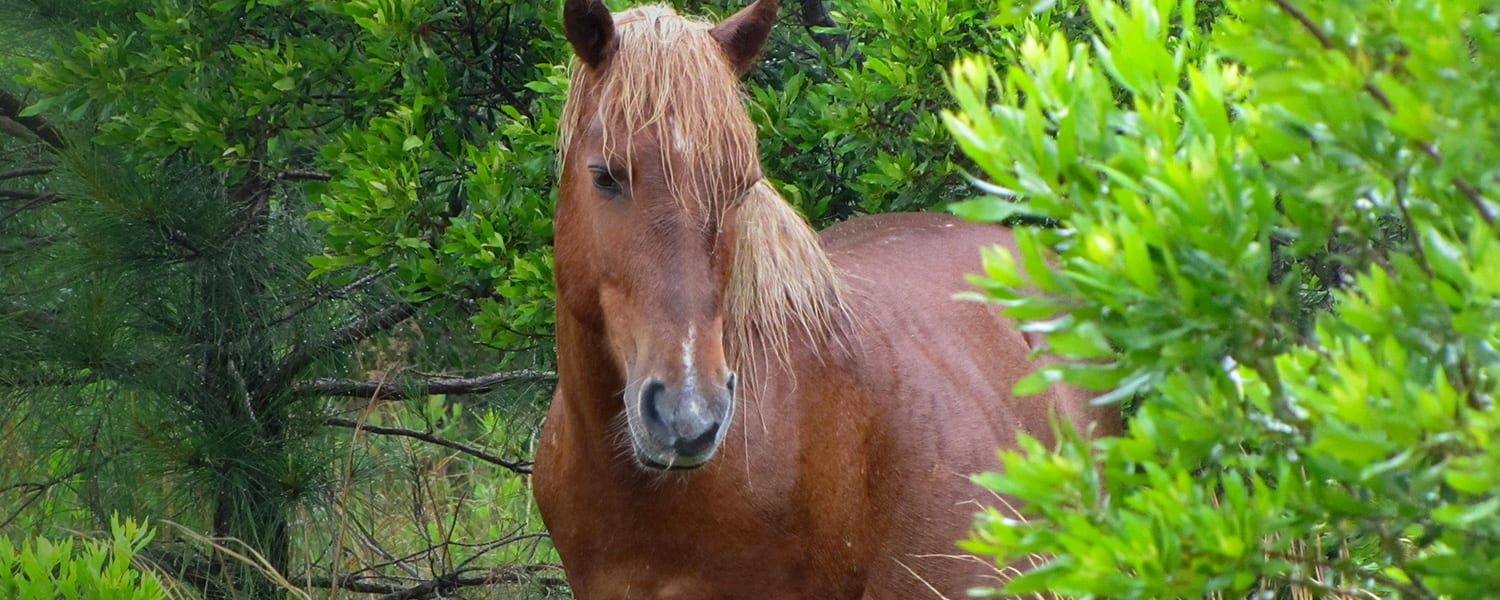
To protect, conserve, and responsibly manage the herd of Corolla wild horses (Bankers) roaming freely on the northernmost Currituck Outer Banks, and to promote the continued preservation of this land as a permanent sanctuary for horses designated as the State Horse and defined as a cultural treasure by the state of North Carolina.
 https://www.corollawildhorses.com/wp-content/uploads/2025/11/IESHPGQU4FQ76JXTK4PXBEWO_1762252925.jpeg
997
992
Corolla Wild Horse Fund
https://www.corollawildhorses.com/wp-content/uploads/2024/01/CWHF-logo-2x.png
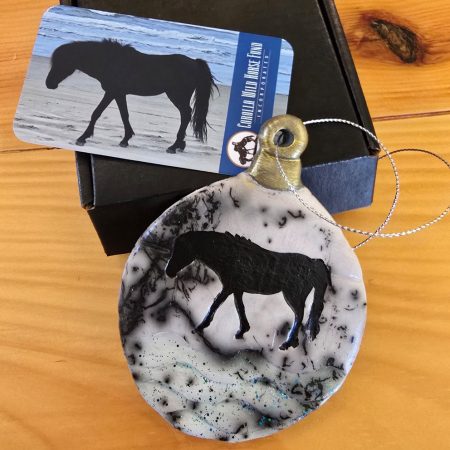
Corolla Wild Horse Fund2025-11-04 05:42:042025-12-29 15:56:44Arrow Ornament by Michael Middleton Ceramics
https://www.corollawildhorses.com/wp-content/uploads/2025/11/IESHPGQU4FQ76JXTK4PXBEWO_1762252925.jpeg
997
992
Corolla Wild Horse Fund
https://www.corollawildhorses.com/wp-content/uploads/2024/01/CWHF-logo-2x.png
Corolla Wild Horse Fund2025-11-04 05:42:042025-12-29 15:56:44Arrow Ornament by Michael Middleton Ceramics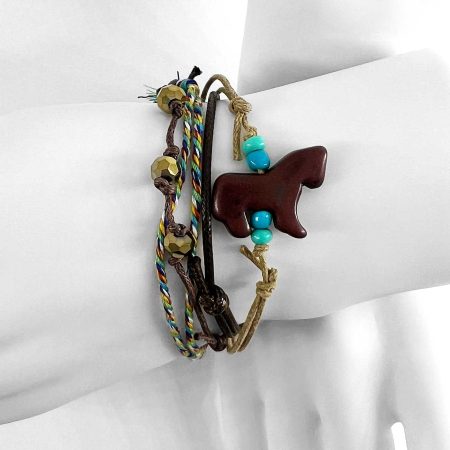 https://www.corollawildhorses.com/wp-content/uploads/2025/10/T7XUPNHDEUY4GRC3PD44B4IW_1761056886.jpeg
1301
1300
Corolla Wild Horse Fund
https://www.corollawildhorses.com/wp-content/uploads/2024/01/CWHF-logo-2x.png
Corolla Wild Horse Fund2025-10-21 10:28:052025-12-26 11:07:14Brown Pony Bracelet
https://www.corollawildhorses.com/wp-content/uploads/2025/10/T7XUPNHDEUY4GRC3PD44B4IW_1761056886.jpeg
1301
1300
Corolla Wild Horse Fund
https://www.corollawildhorses.com/wp-content/uploads/2024/01/CWHF-logo-2x.png
Corolla Wild Horse Fund2025-10-21 10:28:052025-12-26 11:07:14Brown Pony Bracelet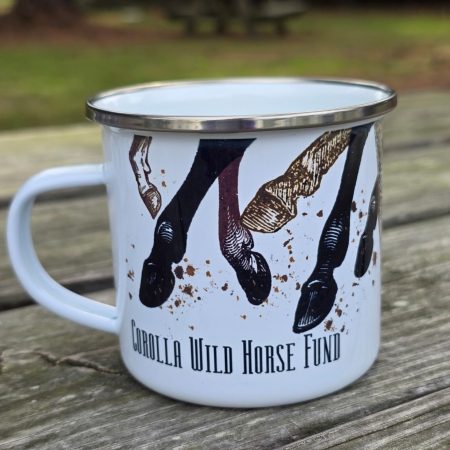 https://www.corollawildhorses.com/wp-content/uploads/2025/10/PJP7STCKFC5DBK3ASPAD5CDQ_1760211006-scaled.jpeg
2538
2560
Corolla Wild Horse Fund
https://www.corollawildhorses.com/wp-content/uploads/2024/01/CWHF-logo-2x.png
Corolla Wild Horse Fund2025-10-11 15:30:052026-01-03 09:16:11Horse Legs Steel Camp Mug
https://www.corollawildhorses.com/wp-content/uploads/2025/10/PJP7STCKFC5DBK3ASPAD5CDQ_1760211006-scaled.jpeg
2538
2560
Corolla Wild Horse Fund
https://www.corollawildhorses.com/wp-content/uploads/2024/01/CWHF-logo-2x.png
Corolla Wild Horse Fund2025-10-11 15:30:052026-01-03 09:16:11Horse Legs Steel Camp Mug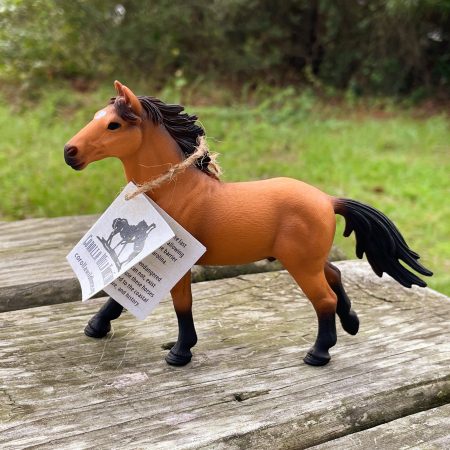 https://www.corollawildhorses.com/wp-content/uploads/2025/08/IMG_8082-scaled.jpg
1920
2560
Corolla Wild Horse Fund
https://www.corollawildhorses.com/wp-content/uploads/2024/01/CWHF-logo-2x.png
Corolla Wild Horse Fund2025-08-05 12:13:092025-12-21 16:01:57Banker Stallion with Story
https://www.corollawildhorses.com/wp-content/uploads/2025/08/IMG_8082-scaled.jpg
1920
2560
Corolla Wild Horse Fund
https://www.corollawildhorses.com/wp-content/uploads/2024/01/CWHF-logo-2x.png
Corolla Wild Horse Fund2025-08-05 12:13:092025-12-21 16:01:57Banker Stallion with Story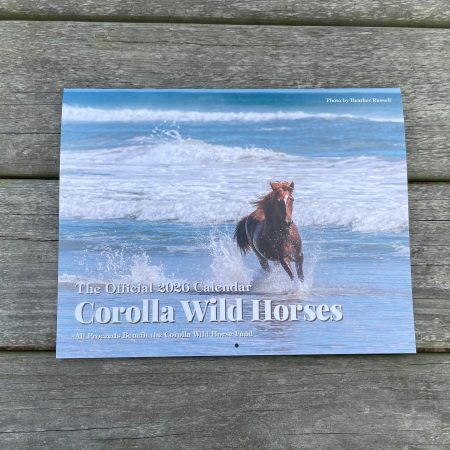 https://www.corollawildhorses.com/wp-content/uploads/2025/07/CXKPR74L5JCX4J63IITSYIHB_1752166923-scaled.jpeg
1920
2560
Corolla Wild Horse Fund
https://www.corollawildhorses.com/wp-content/uploads/2024/01/CWHF-logo-2x.png
Corolla Wild Horse Fund2025-07-10 13:02:022026-01-04 20:38:26CWHF 2026 Calendar
https://www.corollawildhorses.com/wp-content/uploads/2025/07/CXKPR74L5JCX4J63IITSYIHB_1752166923-scaled.jpeg
1920
2560
Corolla Wild Horse Fund
https://www.corollawildhorses.com/wp-content/uploads/2024/01/CWHF-logo-2x.png
Corolla Wild Horse Fund2025-07-10 13:02:022026-01-04 20:38:26CWHF 2026 Calendar https://www.corollawildhorses.com/wp-content/uploads/2025/04/A8F36015-BE79-4291-9257-8B3D131BD533.png
2000
2000
Joe
https://www.corollawildhorses.com/wp-content/uploads/2024/01/CWHF-logo-2x.png
Joe2025-04-26 11:59:422025-12-17 21:43:31Wild Banker Horses Ornament
https://www.corollawildhorses.com/wp-content/uploads/2025/04/A8F36015-BE79-4291-9257-8B3D131BD533.png
2000
2000
Joe
https://www.corollawildhorses.com/wp-content/uploads/2024/01/CWHF-logo-2x.png
Joe2025-04-26 11:59:422025-12-17 21:43:31Wild Banker Horses Ornament https://www.corollawildhorses.com/wp-content/uploads/2025/04/Butts-long-sleeve-front-scaled.jpg
2523
2560
Joe
https://www.corollawildhorses.com/wp-content/uploads/2024/01/CWHF-logo-2x.png
Joe2025-04-17 04:19:382025-12-26 10:59:48Butts to the Wind Adult Long Sleeve
https://www.corollawildhorses.com/wp-content/uploads/2025/04/Butts-long-sleeve-front-scaled.jpg
2523
2560
Joe
https://www.corollawildhorses.com/wp-content/uploads/2024/01/CWHF-logo-2x.png
Joe2025-04-17 04:19:382025-12-26 10:59:48Butts to the Wind Adult Long Sleeve https://www.corollawildhorses.com/wp-content/uploads/2024/09/2389186287692221506-1-scaled.jpeg
2560
1920
Corolla Wild Horse Fund
https://www.corollawildhorses.com/wp-content/uploads/2024/01/CWHF-logo-2x.png
Corolla Wild Horse Fund2024-09-11 16:58:192025-12-07 20:56:22Your Very Own Raymond
https://www.corollawildhorses.com/wp-content/uploads/2024/09/2389186287692221506-1-scaled.jpeg
2560
1920
Corolla Wild Horse Fund
https://www.corollawildhorses.com/wp-content/uploads/2024/01/CWHF-logo-2x.png
Corolla Wild Horse Fund2024-09-11 16:58:192025-12-07 20:56:22Your Very Own RaymondCWHF Community Cares Partner is how we acknowledge, highlight, and thank local businesses and individuals who embrace the CWHF, our mission and support us diligently. These partnerships are vital to our cause. Together we create shared visions and projects benefiting the horses. We offer goodwill and support to each other while working together to keep our beloved Banker mustangs wild and free.
 https://www.corollawildhorses.com/wp-content/uploads/2025/11/Topnotch.jpg
1536
2048
Corolla Wild Horse Fund
https://www.corollawildhorses.com/wp-content/uploads/2024/01/CWHF-logo-2x.png
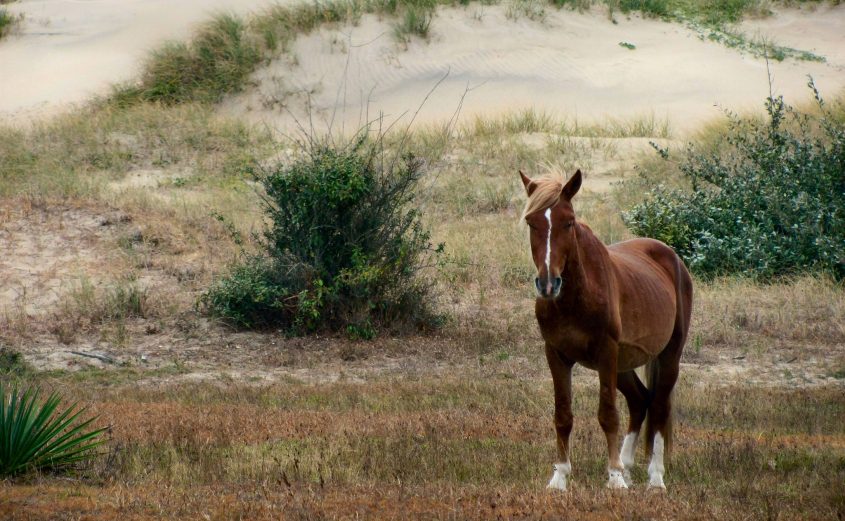
Corolla Wild Horse Fund2025-11-25 15:22:442025-11-30 15:27:52Topnotch Removed from the Wild
https://www.corollawildhorses.com/wp-content/uploads/2025/11/Topnotch.jpg
1536
2048
Corolla Wild Horse Fund
https://www.corollawildhorses.com/wp-content/uploads/2024/01/CWHF-logo-2x.png
Corolla Wild Horse Fund2025-11-25 15:22:442025-11-30 15:27:52Topnotch Removed from the Wild https://www.corollawildhorses.com/wp-content/uploads/2025/05/Mare-Ladder-edit.jpg
1680
1529
Corolla Wild Horse Fund
https://www.corollawildhorses.com/wp-content/uploads/2024/01/CWHF-logo-2x.png
Corolla Wild Horse Fund2025-05-23 12:40:202025-05-26 12:46:23All’s Well and Ends Well
https://www.corollawildhorses.com/wp-content/uploads/2025/05/Mare-Ladder-edit.jpg
1680
1529
Corolla Wild Horse Fund
https://www.corollawildhorses.com/wp-content/uploads/2024/01/CWHF-logo-2x.png
Corolla Wild Horse Fund2025-05-23 12:40:202025-05-26 12:46:23All’s Well and Ends Well https://www.corollawildhorses.com/wp-content/uploads/2025/04/folly.jpg
1536
2048
Corolla Wild Horse Fund
https://www.corollawildhorses.com/wp-content/uploads/2024/01/CWHF-logo-2x.png
Corolla Wild Horse Fund2025-04-11 10:45:242025-04-24 10:47:50Introducing Folly
https://www.corollawildhorses.com/wp-content/uploads/2025/04/folly.jpg
1536
2048
Corolla Wild Horse Fund
https://www.corollawildhorses.com/wp-content/uploads/2024/01/CWHF-logo-2x.png
Corolla Wild Horse Fund2025-04-11 10:45:242025-04-24 10:47:50Introducing Folly https://www.corollawildhorses.com/wp-content/uploads/2025/04/Riptide-in-Raleigh.jpg
1536
2048
Corolla Wild Horse Fund
https://www.corollawildhorses.com/wp-content/uploads/2024/01/CWHF-logo-2x.png
Corolla Wild Horse Fund2025-04-09 10:48:302025-04-24 12:33:19Riptide Goes to Raleigh!
https://www.corollawildhorses.com/wp-content/uploads/2025/04/Riptide-in-Raleigh.jpg
1536
2048
Corolla Wild Horse Fund
https://www.corollawildhorses.com/wp-content/uploads/2024/01/CWHF-logo-2x.png
Corolla Wild Horse Fund2025-04-09 10:48:302025-04-24 12:33:19Riptide Goes to Raleigh! https://www.corollawildhorses.com/wp-content/uploads/2025/03/Finola.jpg
2048
1536
Corolla Wild Horse Fund
https://www.corollawildhorses.com/wp-content/uploads/2024/01/CWHF-logo-2x.png
Corolla Wild Horse Fund2025-03-21 14:39:392025-03-26 14:44:56Announcing the first foal of 2025
https://www.corollawildhorses.com/wp-content/uploads/2025/03/Finola.jpg
2048
1536
Corolla Wild Horse Fund
https://www.corollawildhorses.com/wp-content/uploads/2024/01/CWHF-logo-2x.png
Corolla Wild Horse Fund2025-03-21 14:39:392025-03-26 14:44:56Announcing the first foal of 2025 https://www.corollawildhorses.com/wp-content/uploads/2024/11/Raymond-slide-4.jpg
600
1500
Corolla Wild Horse Fund
https://www.corollawildhorses.com/wp-content/uploads/2024/01/CWHF-logo-2x.png
Corolla Wild Horse Fund2024-11-06 13:20:352024-11-06 13:20:35Remembering Raymond
https://www.corollawildhorses.com/wp-content/uploads/2024/11/Raymond-slide-4.jpg
600
1500
Corolla Wild Horse Fund
https://www.corollawildhorses.com/wp-content/uploads/2024/01/CWHF-logo-2x.png
Corolla Wild Horse Fund2024-11-06 13:20:352024-11-06 13:20:35Remembering Raymond https://www.corollawildhorses.com/wp-content/uploads/2024/07/Bullwinkle.jpg
540
784
Corolla Wild Horse Fund
https://www.corollawildhorses.com/wp-content/uploads/2024/01/CWHF-logo-2x.png
Corolla Wild Horse Fund2024-07-29 18:52:452024-07-30 18:58:46Fatal Wild Horse Incident
https://www.corollawildhorses.com/wp-content/uploads/2024/07/Bullwinkle.jpg
540
784
Corolla Wild Horse Fund
https://www.corollawildhorses.com/wp-content/uploads/2024/01/CWHF-logo-2x.png
Corolla Wild Horse Fund2024-07-29 18:52:452024-07-30 18:58:46Fatal Wild Horse Incident https://www.corollawildhorses.com/wp-content/uploads/2024/05/Elvis.jpg
880
1170
Corolla Wild Horse Fund
https://www.corollawildhorses.com/wp-content/uploads/2024/01/CWHF-logo-2x.png
Corolla Wild Horse Fund2024-05-08 12:50:192024-05-16 12:51:25Elvis has arrived!
https://www.corollawildhorses.com/wp-content/uploads/2024/05/Elvis.jpg
880
1170
Corolla Wild Horse Fund
https://www.corollawildhorses.com/wp-content/uploads/2024/01/CWHF-logo-2x.png
Corolla Wild Horse Fund2024-05-08 12:50:192024-05-16 12:51:25Elvis has arrived! https://www.corollawildhorses.com/wp-content/uploads/2024/05/Eowyn.jpg
1396
1598
Corolla Wild Horse Fund
https://www.corollawildhorses.com/wp-content/uploads/2024/01/CWHF-logo-2x.png
Corolla Wild Horse Fund2024-05-06 12:47:042024-05-16 12:48:58It’s a Girl!
https://www.corollawildhorses.com/wp-content/uploads/2024/05/Eowyn.jpg
1396
1598
Corolla Wild Horse Fund
https://www.corollawildhorses.com/wp-content/uploads/2024/01/CWHF-logo-2x.png
Corolla Wild Horse Fund2024-05-06 12:47:042024-05-16 12:48:58It’s a Girl!
Rescued Corolla Banker Rico doing amazing work with I AM HERD Mustang Sanctuary. 💕She placed the palm of her hand on Rico's forehead and closed her eyes.
"If anything upsetting happens in the ER today I am going to remember this moment with Rico."
As the words were still reverberating in the air, Rico responded by gentling taking the energy of them in and yawning out in transformed release.
It was so beautiful to witness.
This photo is as she was first placing her hand on his face. Just as these words were first being said.
Rico is a Corolla Wild Horse who was rescued by the Corolla Wild Horse Fund after breaking his foot in the wild on the outer banks of NC.
He is all healed now and has a forever home here at I AM HERD and spends most of his days eating, playing, and resting with his pony herd here that loves him dearly.
Yesterday, he traveled to Rex Hospital in Raleigh to greet health care providers as they made their way into work on New Years Day 🐴
We are so grateful that this is the work we get to do through I AM HERD.
May all hearts be held. May all hearts be heard. May all hearts be free.
💕 Mary, Rico, and all of the Mustangs of this Sanctuary
.
.
.
@unchealthrex
@iamherdmustangsanctuary
@justme_mmj_mary
@corollawildhorsefundinc
@triplecrownfeed @mustangheritagefoundation

9 CommentsComment on Facebook
As we reach the end of 2025, the realities of an Outer Banks winter are beginning to arrive. Temperatures are dropping, the cold north wind is a regular companion, and the beaches are as empty as they will be until spring returns. This is a time in which many days will see more horses roaming the beaches and dunes than people.
Each of you, the supporters that enable us to serve our mission, has been with us each step of the way in 2025. You have experienced the highs and lows that the circle of life inevitably brings the herd each year. Like any other year, we saw a new generation of foals, full of energy and life, join the herd. We also lost horses, some of whom were able to live their entire life wild and free. All of us can find stability and comfort in these rhythms of life – knowing that the cold of today will lead to a season of new foals just around the corner.
Essential work continues this time of year; we are in the process of upgrading our well and constructing a hay barn at the farm. Necessary improvements designed to further establish our farm as a true sanctuary for Banker horses that have been removed from the wild.
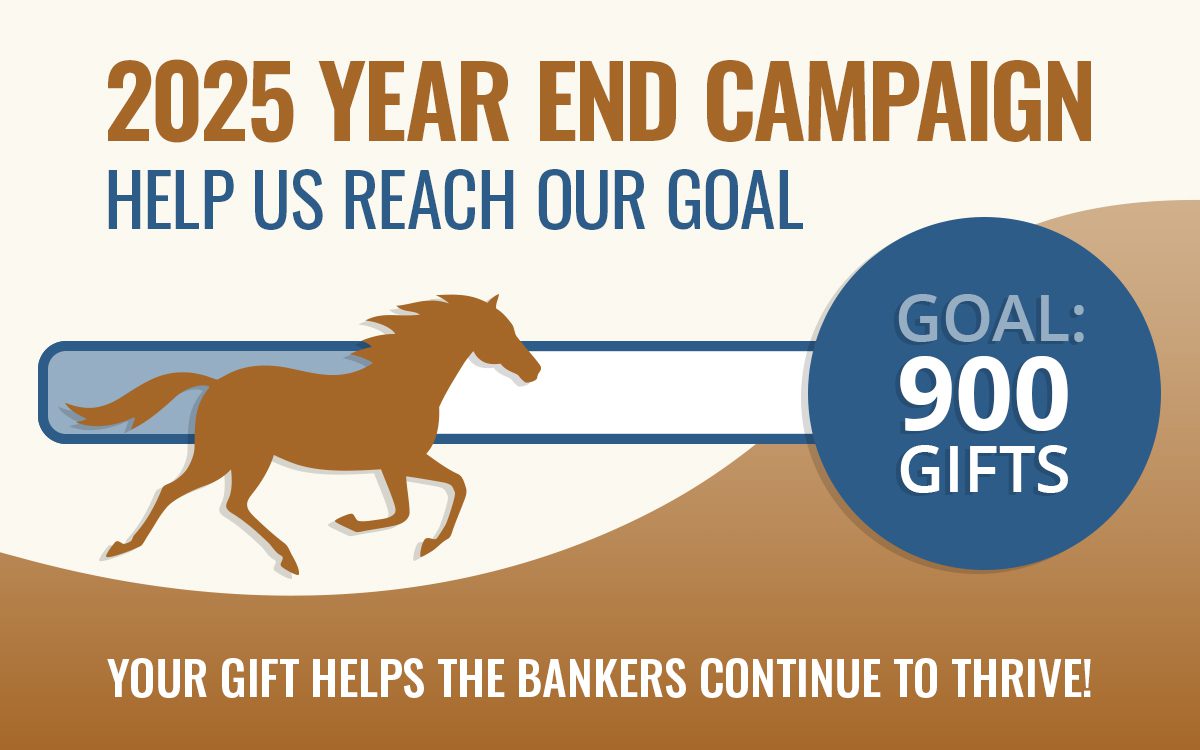
For one final time in 2025, on behalf of the staff and board of the Corolla Wild Horse Fund, I ask for your support of our Year-End Campaign. We are all poised to meet the challenges of a new year and are able to do so because you take this walk with us.
Make a donation today, and your gift will be doubled thanks to a generous match: www.corollawildhorses.com/campaign/
We wish each and every one of you the happiest of new years.
Warm regards,
Chris Winter
Chief Executive Officer
12 CommentsComment on Facebook
This year we began collecting data on something new - measurements. What is the average length of these horses’ legs? What’s the average distance between the top of the shoulder and the base of the tail? The circumference and length of their neck? The width and length of their hooves? This information will help us put together a breed standard for the Corolla Bankers.
A breed standard defines how the ideal individual should look and behave. It identifies the acceptable size range, colors, how the animal should move, conformation, and temperament just to name a few things. With these measurements we can begin to put together an average range of common physical characteristics for the breed that, when combined with what we know about genetics and ancestry, will help define exactly what a Corolla Banker is and provide a blueprint for purposeful, responsible conservation breeding in the future.
We obviously can’t take these kinds of measurements from the living wild horses, but we can collect data from wild horses who have passed on. If you remember the story about Knight/Airman (read more: www.facebook.com/share/p/14S9nCVF2py/) we were able to get his measurements from his skeletal remains. And we have horses at the farm who represent all of the different areas and territories of the wild habitat, several different family lines, and both distinct body types that we see in these horses. Even though they are no longer wild they are still serving a very important role in the work that we’re doing to protect and preserve this endangered breed.
You can help support this project and many others by becoming a member, sponsoring a rescued horse, or just making a one-time donation - every single dollar makes a big impact! Get involved today: www.corollawildhorses.com/campaign/ We are so close to meeting our year-end goal, and your gift makes double the impact right now thanks to a very generous match!
10 CommentsComment on Facebook
With only a couple hundred left in the world, the Bankers are recognized as a critically threatened, endangered breed. DNA research has confirmed that the Bankers are indeed direct descendants of the horses originally brought to North America by the Spanish in the 1500s. They have remained isolated on our barrier islands for hundreds of years, preserving their genetics and earning them a place in the very fibers of our culture and history here in North Carolina.
As the herd faces more modern threats to their survival - encroachment, environmental changes due to climate change, a decreased herd size, etc. - the role that all of us play in their survival has become increasingly important. We must balance habitat preservation, breed conservation, and accessibility (we want people to be able to come see them - safely and respectfully!) to ensure that a thriving wild herd remains here for many more generations.
Habitat is more than just food and water. It is every single part of the environment that the horses encounter during the course of their normal lives. Nowadays the habitat includes more houses, more traffic, more people - more challenges than ever. It’s up to all of us to protect the habitat and make it as safe as possible for the horses. This includes keeping your property free of dangerous trash, fencing, and debris, it means following the rules and not getting too close to the horses, and it means taking an active role in our land preservation efforts. You can learn more about that here: www.corollawildhorses.com/land-preservation-initiative/
Becoming a member or setting up a recurring monthly donation are great ways to provide sustaining support for this important work! Get involved today: www.corollawildhorses.com/campaign/
From now through the end of the year your donation will make double the impact thanks to a generous match!
26 CommentsComment on Facebook
Greetings everyone,
As we gather with friends and family here in the waning days of 2025, all of us at the Corolla Wild Horse Fund are filled with gratitude that each of you is part of our community. It is because of you that we are able to serve the mission about which all of us care so deeply.
With just two short weeks until New Years Eve, our annual year-end campaign is once again serving as a reminder of just how important your support is. Not only does it directly fund so many of the activities that will keep the Bankers wild and free, it also generates considerable momentum for us headed into the new year. 2026 will be a year of strategic planning for us, and a successful campaign creates the environment in which each one of us can step into that process with optimism, determination and an eye to what is possible.
I am thrilled to share that your support of the campaign thus far has been exceptional! We are on pace to surpass our financial goals. For those of you that have already given, feel our gratitude. For those of you that are still discerning, we are humbled and honored to have your consideration. The campaign will close at midnight on Dec. 31. Whether it is a CWHF membership, horse sponsorship or one-time philanthropic gift, please join us in bringing 2025 to a close in grand fashion.
Give now: www.corollawildhorses.com/campaign/
The Banker horses will wander the marshes, run on the beach and be perched atop the dunes in 2026 just as they have for hundreds of years before. The pressures and challenges evolve over time, but our collective passion for keeping the herd wild and free never wavers.
Warm regards,
Chris Winter
Chief Executive Officer
14 CommentsComment on Facebook
Topnotch has been at the farm three weeks today and is doing really well. When we relocated him we set the following goals for his first month:
✅Get his diet straight
✅Establish a routine for feeding - when/where/expected behavior
✅Introduce him to wearing a halter
✅Introduce the concept of personal space; establish and be respectful of each other’s boundaries
✅Give him a friend
One week to spare and we have accomplished all of our goals! Of course everything is still very much a work in progress but we are really thrilled with how game Topnotch has been to learn all these new tricks.
Topnotch is very smart and likes using his brain (puzzle feeders are one of his new favorite things), and he has a great sense of humor. It’s almost like he’s indulging us because he finds it all very entertaining. At no point in his training have we confined him or forced him into anything. There’s always an “escape route” for him and he can leave if he chooses, but instead he always engages with us. That is huge! We don’t want him to feel threatened or trapped, and we want him to go at his own pace as much as we can safely let him. He is not “gentled” yet by any means (90% of this training occurs with a wall between us and him) but he’s made an exceptional amount of progress in this short amount of time. We’re very proud of him (and proud of our team as well!).
Today was a big day because we introduced him to Blossom. They are about the same age and have similar dietary needs, so they will make great pasture mates. Introductions went off without a hitch; these old stallions are extremely respectful and well-behaved around mares. Blossom pinned her ears at him once and that was that. Now he’s following her around like a puppy and letting her eat his dinner.
We’d like to thank everyone who has sponsored Topnotch or made a donation towards his care. Your support has allowed us to provide him with the feed and enrichment he needs to stay healthy and comfortable. Finding different types of food that he will consistently eat has taken a bit of trial and error, but thanks to you we’ve been able to try a variety of things and come up with a diet that works. We’re almost to the point where we feel comfortable making an appointment to have our vet come check out his teeth and vaccinate him, so he will have some medical bills coming up as well.
Right now during our year-end campaign your gift has double the impact thanks to a generous match. You can make a donation via our website: www.corollawildhorses.com/campaign/ or mail checks to PO Box 361, Corolla, NC 27927
Horse sponsorships make great gifts! And don’t worry if you’re behind on your holiday shopping - sponsorships are digital so you have until December 21 to purchase one and ensure that all of the materials will be personalized and emailed to the recipient. Learn more: www.corollawildhorses.com/horse-sponsorships/
38 CommentsComment on Facebook
Congrats to Danielle, the winner of our holiday raffle!
Thanks to everyone who purchased a ticket, and to Middleton Clay Project for creating and donating this beautiful pot for the fundraiser. We sold 551 tickets!
You can find more work by Middleton Clay Project on their website: www.middletonclayproject.com
3 CommentsComment on Facebook
Fire-breathing dragon spotted in Carova! 🤣
One of our staff snapped this great photo of a young stallion just a bit ago - it’s chilly out this morning. May even see a few ❄️❄️❄️!
72 CommentsComment on Facebook
Horse sponsorships make greats gifts, and also help the horses! By sponsoring one of the rescued Bankers you can help us provide feed, veterinary care, and training all year round. 🎁🐴
More info: www.corollawildhorses.com/support-corolla-wild-horse-fund/
2 CommentsComment on Facebook
This is a wonderful article from the Sedgewick County Zoo about the difficulties conservationists and animal care specialists are experiencing due to the increase in AI videos featuring wildlife. We strongly encourage everyone to read it; critical thinking in regard to what you see online is more important now than ever.
⬇️
The Reality of AI Animal Content – Sedgwick County Zoo
scz.org
If you spend any time on social media, you’ve probably seen them – bears bouncing on trampolines, apes caught on doorbell cameras, or “rescued” wild animals acting in ways that seem too good t...1 CommentsComment on Facebook
Our staff works around the clock, 7 days a week, 365 days a year to keep the horses safe. We are in the field with the herd nearly every day, monitoring the horses for injuries, recording notable behaviors, tracking movement, documenting harem dynamics, collecting DNA for breed conservation, and educating the public. The more we know about the horses, the better equipped we are to shape a sustainable future for them in the wild.
This work is not cheap - we have a fleet of vehicles to maintain, fuel costs, iPads and phones for recording and storing data, signs and banners, and other daily operating costs. The things we can do with this research, data, and the daily observations are endless, but we can only operate within our means. And that’s where your support is critical!
Help us continue to expand our efforts to both protect and learn more about the herd by making a donation or becoming a member during our year-end fundraiser, when your gift will be doubled thanks to a generous match: www.corollawildhorses.com/campaign/
4 CommentsComment on Facebook
The more we know about the horses, the better equipped we are to properly manage and protect them. This is true for the public too! We can’t expect people to be invested in the horses’ future without an understanding as to why our work is so important, and why the horses are worth saving.
Education takes many forms - farm open houses and field trips, outreach with rescued horses, talks and lectures, workshops for tour drivers, social media and PSAs, school programming, fridge magnets for rental homes, and so much more. We believe that education should be free and widely available, which is where your ongoing support comes in.
Your donations, memberships, and sponsorships allow us to continuously expand our education and advocacy efforts in new and exciting ways. From signs and billboards to feeding our ambassador horses at the farm, your contributions make a huge impact!
From now until the end of the year, your gift makes double the impact thanks to a very generous match. Thanks to everyone who has donated so far - we are almost halfway to our goal! 🎉
For more information and to make a donation: www.corollawildhorses.com/campaign/
Pictured: Riptide doing outreach in Duck last summer.
4 CommentsComment on Facebook
Stock up on CWHF exclusive gifts for the horse and beach lovers in your life as you shop for the holiday season! Order this week to guarantee arrival by Christmas.
Shop now: www.corollawildhorses.com/cwhf-gift-shop/
When you shop with us, 100% of proceeds go directly to protecting and caring for the wild horses and all the rescues living on our farm.
And don’t forget to get your tickets for our holiday raffle, featuring a one-of-a-kind horsehair pot made by Middleton Clay Project!
Raffle tickets: www.corollawildhorses.com/shop/2025raffle/
0 CommentsComment on Facebook
The Banker horses are what’s known as a landrace breed. This means that they are unique from any other breed of horse in the world due to the adaptations they’ve developed over the last several hundred years that allow them to survive on the barrier islands of North Carolina. Breed conservation is key to their long term survival. These genes do not, and cannot, exist anywhere else because the horses are intrinsically tied to our coastal landscape, culture, and history.
The preservation of genetics and history is one of the cornerstones of our mission.
Currituck County and CWHF entered into a management agreement in 1994, and a Management Plan was soon developed by an advisory board composed of representatives from the county, CWHF, US Fish and Wildlife Service, and the NC Department of Environmental Quality. Action 1G of this plan calls for CWHF to “provide an annual report of lineage and genetics to the advisory board” and herd managers began collecting DNA samples as early as 1995. Samples have been collected over the decades as time, resources, and technology have allowed. Most notably in 2007, when 37 samples were taken from horses living in the herd at that time, many of which are still alive today. Then in 2020 we undertook an ambitious project to collect DNA from every remaining wild Corolla horse, along with any that have been removed from the herd and are currently living in captivity. We have about 170 samples on file - and counting.
From this we can build ancestries and pedigrees, learn more about herd dynamics, movement and breeding behavior, we can test for genetic diseases, and build a breed database that will help other herd managers far into the future.
Your support is what helps us continue this critically important work. Consider making a donation now during our year-end campaign when your gift will be matched and make double the impact: www.corollawildhorses.com/campaign/
Today we’re digging a little deeper into pedigree and ancestry - how we construct it and what it can teach us.
The first step to creating a pedigree is to identify the horse’s parents. In order to verify parentage we have to identify all possible matches for both dam and sire, and then the geneticists we work with will take that information and verify the pair that produced the offspring. Any horse whose parents are verified then has a “completed” pedigree. Some horses have four generations on their pedigree and others may only have one, but as long as the parents are verified that horse’s pedigree is considered complete. We currently have 55 completed pedigrees on file.
We’re using Gracie’s pedigree as an example for this post because it illustrates many of the different factors that go into constructing them and shows how much we can learn about the horses by connecting these genetic and historical dots.
Gracie was born on Dews Island in 2007 and removed as a yearling. Today she lives at Island Farm on Roanoke Island with another Banker mare named Rainbow and is used for outreach and historical interpretation. In fact, you can visit Grace and Rainbow this weekend for the farm’s Christmas event. More info: obcinc.org/christmas-past/
So what can DNA teach us about Gracie and her ancestors? We’ll start with her maternal side.
We aren’t exactly sure when Betty was taken to Dews Island, but it couldn’t have been any later than 2006 since we know Gracie was born in 2007 and a horse's gestation period is 11 months. That helps us age Betty - she was at least 2 in 2006 since that’s the youngest age at which a mare can get pregnant. Betty lives on our farm now so we’re able to get a good look at her teeth and they tell us she’s probably in her early 20s. The years line up, so now we know even more about Betty thanks to her daughter’s DNA. It is entirely possible that while Gracie was Little Red Man’s last foal, she was Betty’s first (and probably only).
Betty’s sire Manteo was removed from the wild in 2006, and now that we know Betty’s age it can help us better age him too. If we assume Betty’s birth year was 2003, that means her dam was impregnated in 2002, which means that Manteo was at least 18 months old at that point. It’s likely he was much older than that; it’s extremely uncommon for these stallions to begin breeding before the age of around five but at the very least we can safely assume he was not born later than 2000. While these years aren’t exact, they still give us a pretty good idea of the ages of these horses. Manteo is also part of a breed conservation and riding program; he is personable and trainable just like his granddaughter.
Betty’s dam Thelma is still alive in the wild. She hasn’t produced a foal in at least a decade so we assumed she was quite old. Mares usually have their first foal around the age of four but can get pregnant as early as two. If Betty was born in 2003, that tells us that Thelma was probably not born any later than 2000 and is at least in her mid-20s now, but probably older. She was an excellent broodmare over the course of her life and is in great shape for her age now.
We knew Captain was very old when he was taken out of the wild in 2019 due to an infected sinus cavity. He lived at the farm for a couple months before he was euthanized and laid to rest there. At the time we didn’t know that his granddaughter lived on the farm too. Once again, the DNA helps us age him and confirms our suspicions that he was probably born sometime in the 90s. Captain is what we call a foundation sire - the family line starts with him.
Brownie came to the farm off of Dews Island in 2017. She and Little Red Man were taken to the island together in 1999, and then Betty followed a few years after. Brownie and Betty spent more than a decade together; Brownie died of old age in 2018 (coincidentally, just four months before Captain came to the farm). She is one of our foundation mares and produced a lot of foals in her life; her genetics still run very deep through the wild herd.
Captain Jack and Caroline both died of natural causes in the wild. Captain Jack has been gone for many years; he disappeared into the marsh one winter and never came back out, as old stallions often do. Caroline was killed by an aggressive stallion in 2023. They are the only horses on this side of Gracie’s pedigree who, so far, lived their entire lives in the wild.
Sea King was removed from the wild in the early 2000s and went on to do great things with his person. He was an outstanding ambassador for his breed and represented the Corolla Bankers well at different events, rides, and competitions over the years. He died of old age last year. He never really acted his true age and it came as quite a surprise to everyone who knew him to learn how old he actually was.
Baton Rouge is part of a breed conservation and riding program, representing her breed well and showing many people over the years how special these horses are - much like her great-great granddaughter. Physical traits aren’t the only characteristics passed down from generation to generation. Temperament and behavior are too, and family lines can be defined by them. This is illustrated very well in Gracie’s pedigree.
Gracie’s paternal side:
Gracie’s sire Little Red Man was in the original group of horses moved to Dews Island in 1999, and he lived there until his death in 2008. A DNA sample was never taken from him, but with the help of geneticists at Texas A&M we were able to use his offspring’s DNA to reconstruct his. He produced multiple foals in the decade that he was on the island and many of them now live on the farm. They were our starting point for this project.
We don’t have Little Red Man’s parent’s DNA but we do have a lot of anecdotal information about them. DNA is the only way to know with 100% certainty who is related to who, but there are some instances where we include relationships on pedigrees that are based on anecdotal evidence. Herd managers kept very detailed records in the 80s and 90s, and they created family trees based on their observations. While we can’t scientifically verify the parentage of these horses, including them in pedigrees helps put many of the family lines in better historical and geographical context.
Little Red Man’s dam Daisy has an accession number because we actually have a DNA report for her - she was one of the first horses tested way back in 1995. (Every horse that’s been DNA tested is assigned an accession number that stays on their records with us and at the lab. This is their official ID.) Unfortunately her sample is long gone and the technology is so different today that we can’t compare her markers to our current markers.
We do not have DNA reports on the rest of the horses on this side of the pedigree, but we still know a lot about them thanks to the detailed records kept by staff and volunteers at the time. We have daily logs that document herd dynamics and behavior, injuries and illness, interactions with humans, and much more. They paint a vivid picture of what life was like before the horses were moved north of the paved road in the mid-90s. We know that Star and Midnight were constantly sparring, trading mares back and forth. There are accounts of young stallions roaming all the way down to Sanderling and causing problems. There is a handwritten report detailing the time Little Red Man climbed up a set of deck stairs. There are reports of foals being born, people feeding and petting horses (the more things change, the more they stay the same), and details about personality traits of certain horses.
All of this helps us reconstruct the history of the herd, and this is where pedigree and ancestry merge. Their stories highlight the impact they’ve had on our own culture and history, and this is a key component to being a landrace breed.
We kicked off the year-end campaign with a post about Star, and how his tragic and untimely death was the catalyst for the creation of the Corolla Wild Horse Fund. We talked about how his presence is still felt in everything we do, and Gracie’s pedigree is a perfect example of that. It is the culmination of more than 30 years of work, and proof that every single one of these horses leaves a permanent mark on the herd - genetically and culturally.
Once again, thank you for your continued support of this groundbreaking work. If you make a donation now during our year-end campaign your gift will be doubled thanks to a very generous match. More information: www.corollawildhorses.com/campaign/
30 CommentsComment on Facebook
Getting down to the wire! 🎁 Get your order in by December 14 for delivery before Christmas. Shopping with us means helping the horses at the same time - proceeds help us take care of the wild herd and the horses at the farm.
CWHF online shop: www.corollawildhorses.com/cwhf-gift-shop/
Or store and museum in Corolla will be open Friday & Saturday from 11am-3pm until Christmas.
0 CommentsComment on Facebook
In case you missed it this morning - an update on Topnotch.
Thank you to everyone who has made a donation towards his care for #GivingTuesday! Your generosity makes a profound difference in the lives of these special horses. 🫶
7 CommentsComment on Facebook
It’s been a week since we relocated Topnotch to the farm, and he is settling in well and getting to know us and our routine. We’re taking it very slow with him; our main goals right now are to make him feel secure and comfortable in his new home and to make sure he’s eating a healthy diet.
(If you missed the news of Topnotch’s removal from the wild, you can get the details here: www.facebook.com/share/p/17pdrnBA2J/)
The diet was a bit tricky at first. Topnotch is very old and his teeth are typical of a wild horse his age - not in great shape. We immediately noticed that he was able to eat grass, but was having difficulty chewing the hay we normally feed older horses. Unfortunately, due to the time of year, there isn’t much grass for Topnotch to eat so we bought several more varieties of hay (five, in fact) to see if something else worked. He had trouble with all of them so we switched gears and started trying non-traditional alternatives like hay pellets and cubes. That was the ticket and he’s now in a feeding routine that seems to be working well for him.
Topnotch gets multiple small meals throughout the day that include hay pellets, hay cubes, beet pulp, and chopped hay, all soaked in water so that it’s easily palatable and provides him with the calories and nutrition that he needs. In addition to his hay soup, he also gets a feed formulated for senior horses three times a day, along with electrolytes and a fatty acid supplement. The great news is, he is a proud member of the clean plate club - he is not a picky eater! For the first time in a while we are thrilled that Topnotch is willing to eat anything that’s put in front of him. He's already gained a bit of weight, and once he’s more comfortable being handled our vet will do a thorough exam of his mouth to see if there’s anything we can do to help him chew more efficiently.
On this #GivingTuesday, we’re asking that you consider making a donation toward Topnotch’s ongoing care and feed. As he gets acclimated to his new diet he will eventually be consuming about 20lbs of food a day, which costs approximately $400 per month. Every bit makes a big impact - a bag of chopped hay is just $30, and will feed Topnotch for several days. Your support will also help us cover the cost of veterinary bills and other things like dewormer, vaccinations, and winter blankets for him.
You can sponsor Topnotch (sponsorships make great gifts too!) or make a one-time donation towards his care by visiting our website: www.corollawildhorses.com/campaign/
Checks can be mailed to: Corolla Wild Horse Fund, PO Box 361, Corolla, NC 27927
Thank you for your support, and stay tuned for more updates about Topnotch!
77 CommentsComment on Facebook
Happy Birthday, Currituck Beach Lighthouse! What a fun few days - thanks for including us in the celebrations! 🎊
4 CommentsComment on Facebook